Envision® Dry Eye Treatments
Advanced Technology for Lating Dry Eye Relief
At Parkrose Vision, we proudly offer Envision by InMode®, an advanced treatment platform that combines Radiofrequency (RF) and Intense Pulsed Light (IPL) technology to address the underlying causes of dry eye disease.
Unlike artificial tears that provide temporary symptom relief, Envision treatments are designed to improve meibomian gland function, reduce inflammation, and promote a healthier, more stable tear film for long-term comfort.
Radiofrequency (RF)
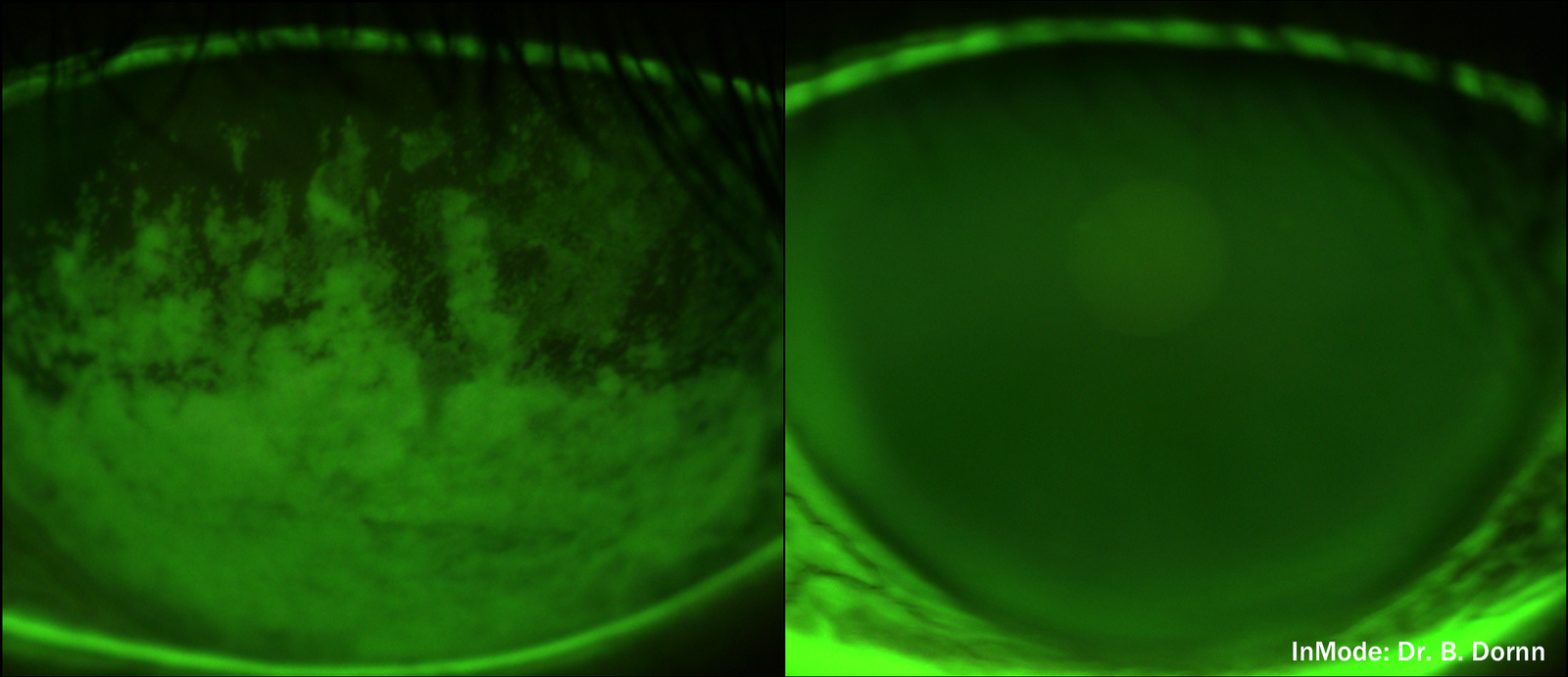
Radiofrequency (RF) therapy gently warms the eyelids using controlled heat energy to improve meibomian gland function and restore the natural oils that help prevent tears from evaporating too quickly.
RF therapy may help improve:
Dry eye symptoms
Meibomian gland dysfunction (MGD)
Contact lens discomfort
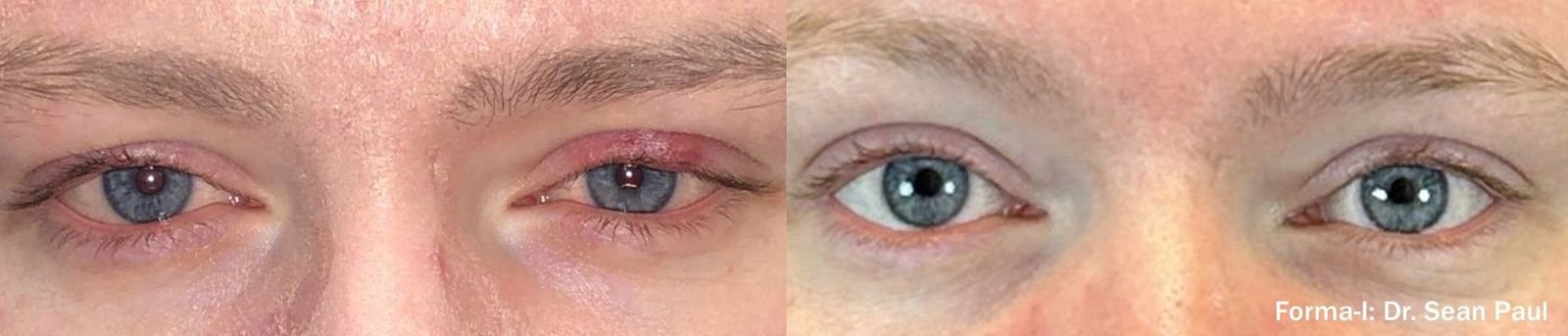
Recurrent styes and chalazia
Tear film stability
In addition, RF therapy may promote collagen remodeling, helping improve skin firmness and soften the appearance of fine lines around the eyes.
Intense Pulsed Light (IPL)
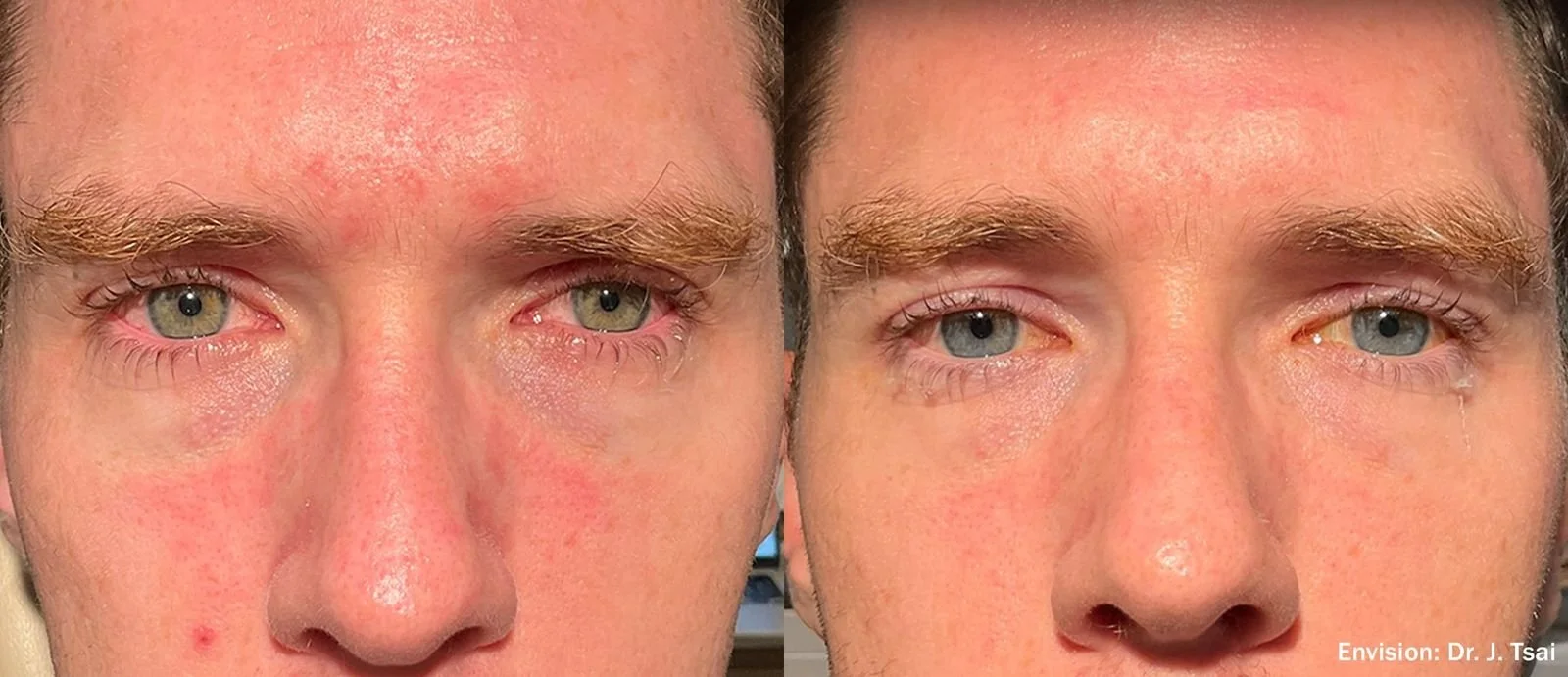
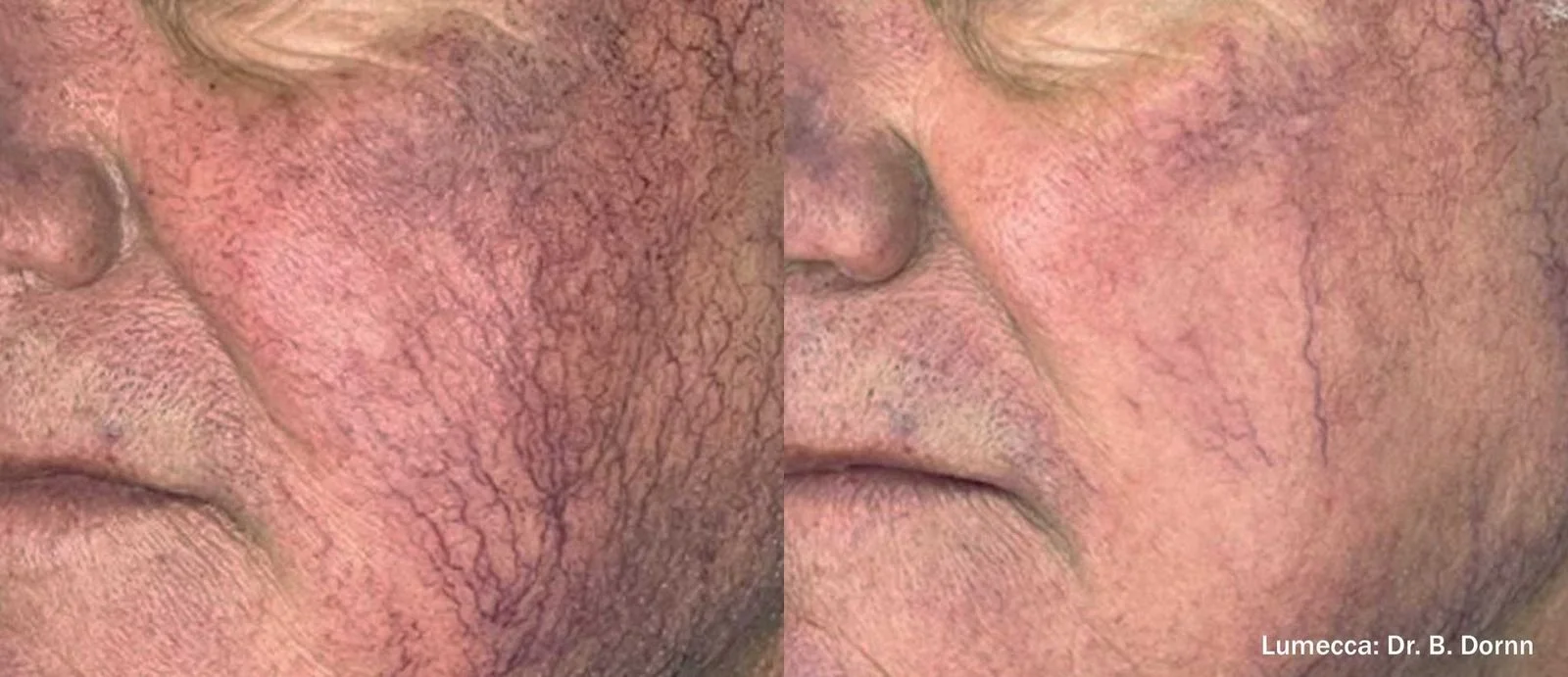
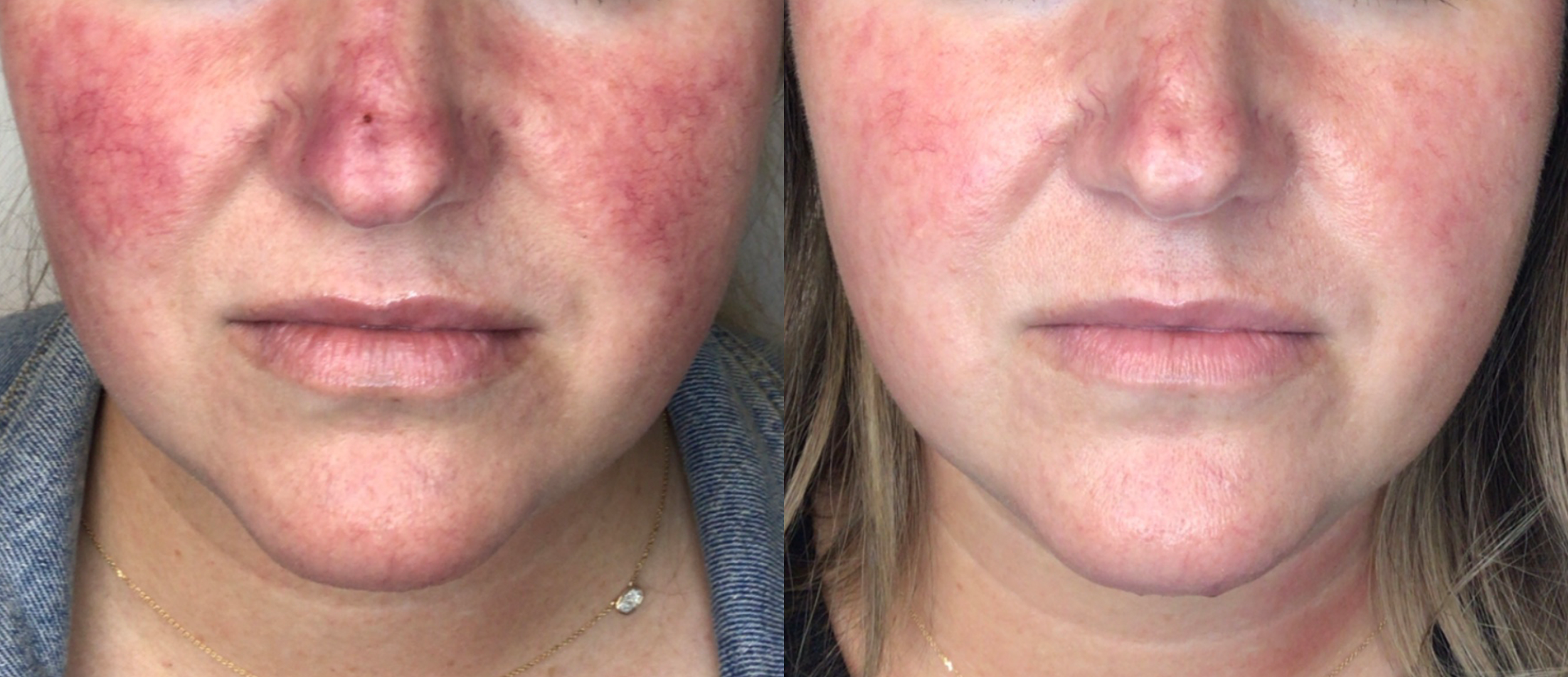
IPL therapy delivers carefully controlled pulses of light around the eyelids to reduce inflammation, improve meibomian gland function, and treat abnormal blood vessels associated with ocular rosacea.
IPL therapy may help improve:
Chronic dry eye
Meibomian gland dysfunction (MGD)
Ocular rosacea
Eyelid inflammation
Frequent styes or chalazia
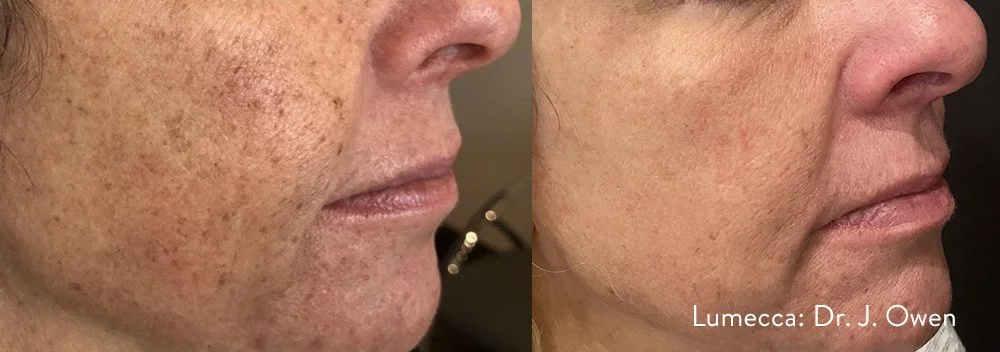
Patients with rosacea may also notice an improvement in facial redness and overall skin tone following IPL treatment.